


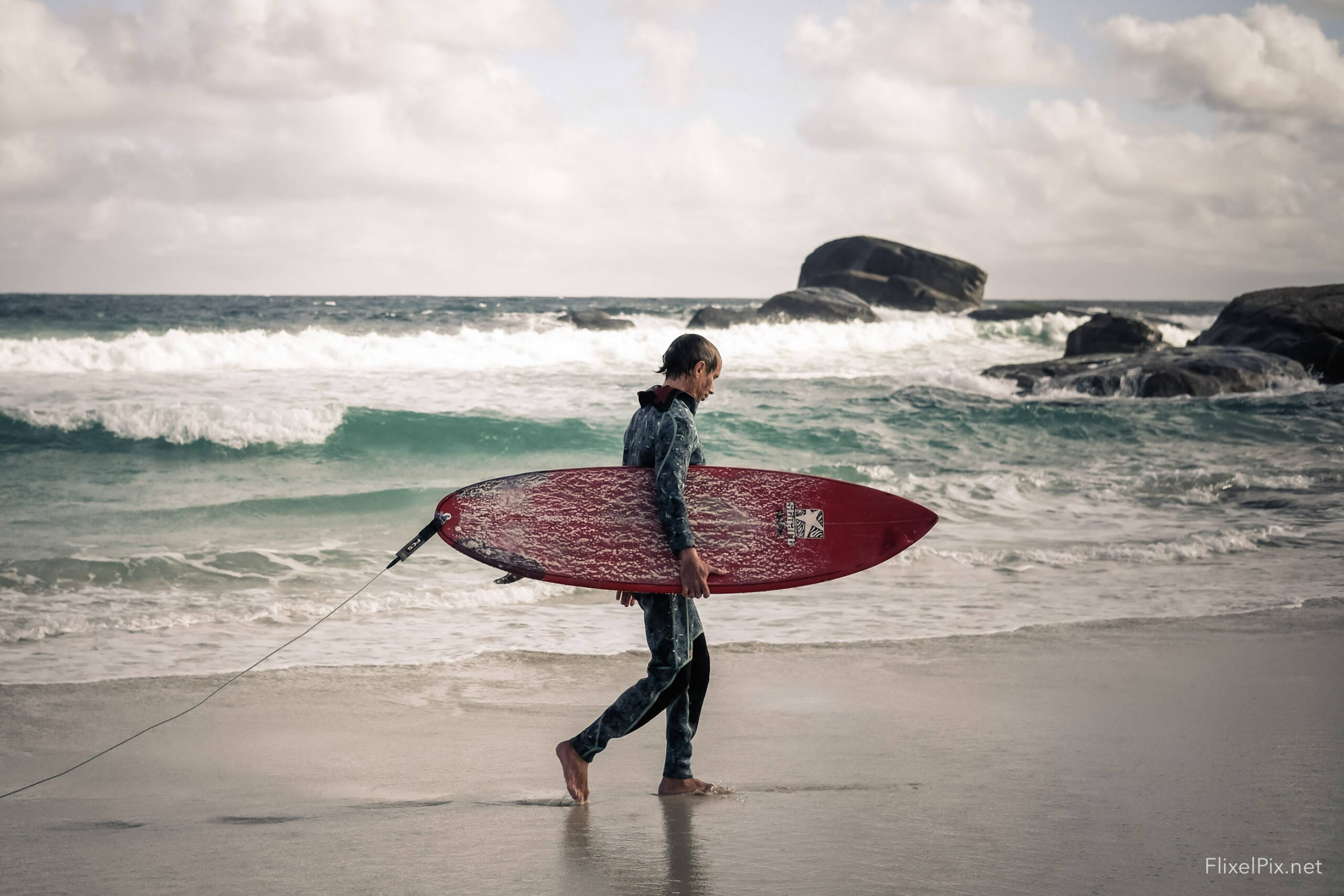
One of the biggest challenges for any photographer heading off on a trip is deciding which camera and lens combination to pack. Our latest holiday was an epic journey to Western Australia, taking in the city of Perth and the stunning coastline of the Margaret River region. As this was very much a leisure trip, I wanted to travel light, but without limiting my ability to document our Australian adventure.
After much deliberation, I settled on my much-loved Fujifilm X100F alongside a Fujifilm X-T2 paired with the 16mm f/1.4 and 35mm f/2 lenses. That was it no filters, no tripod—just the two cameras and a couple of spare batteries. The X-T2 was set to shoot RAW/JPEG, while the X100F was configured for JPEG-only to take advantage of Fujifilm’s digital teleconverter system.
Contents
Over the three-week trip I carried either the X-T2 or the X100F, but never both at the same time. In practice, I used the 35mm far more than the 16mm. On a family holiday, people naturally become the main subject, and the 35mm excelled in that role. In total, I captured 282 images with the X100F and 514 with the X-T2, of which just 104 were taken with the 16mm.
Perth Australia
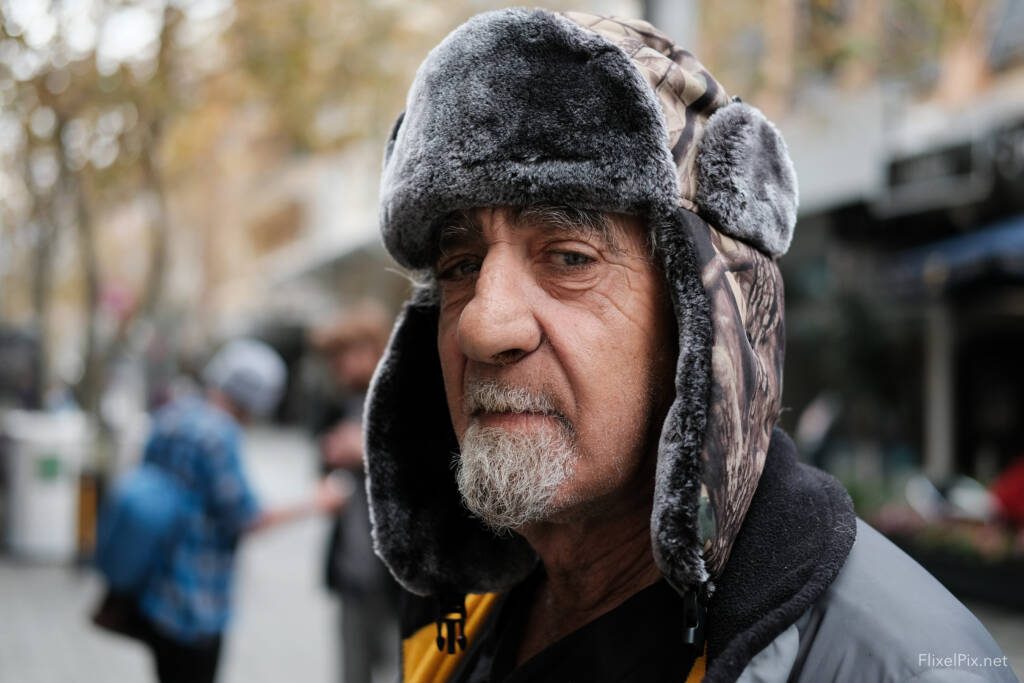
The 35mm (roughly a 50mm full-frame equivalent) on the X-T2 or X-Pro2 is an outstanding documentary lens. It isolates subjects beautifully, works effortlessly with shallow depth of field, and feels natural in almost every situation. While walking through Perth, a gentleman noticed my camera and asked me to take his portrait. I happily obliged, and we ended up chatting for fifteen or twenty minutes about the city. The lens captured his character with striking clarity. He told me the photograph would be worth a lot of money one day I can only hope.
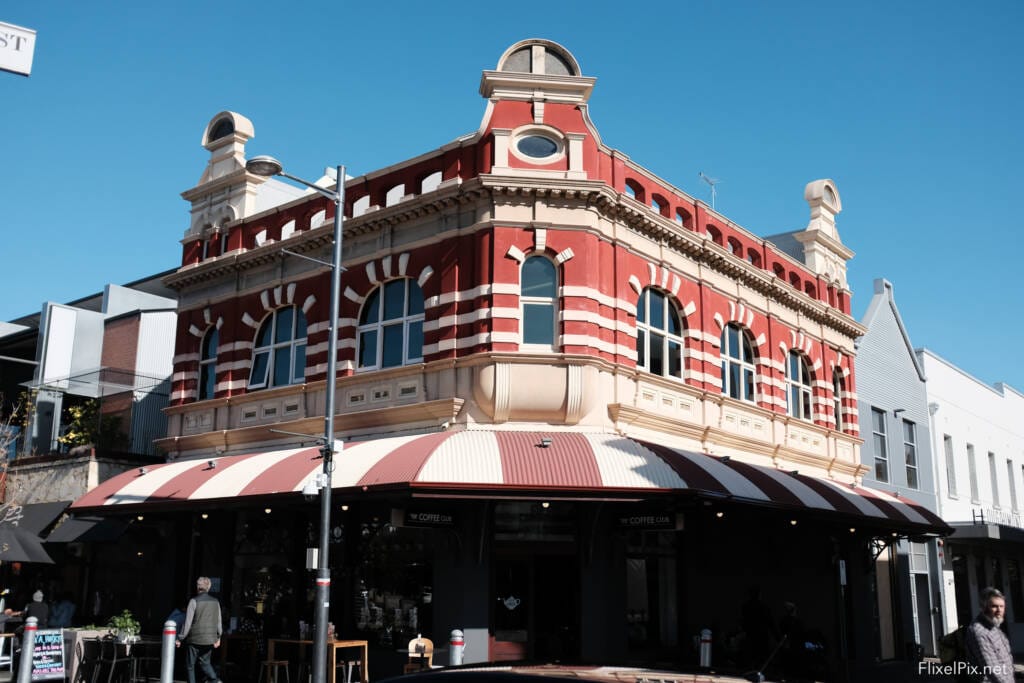
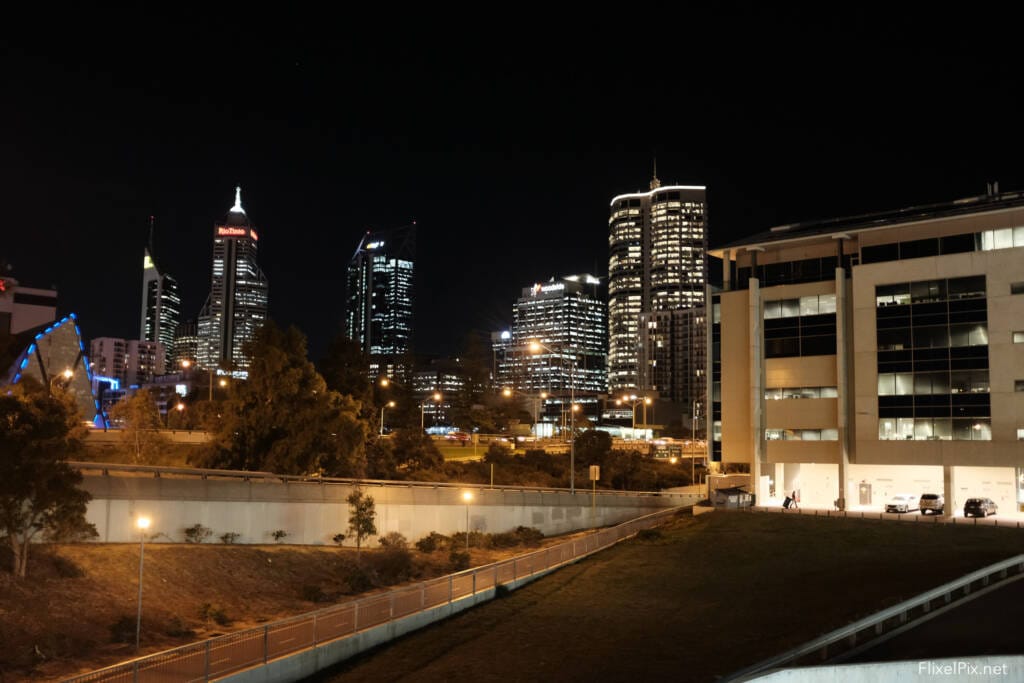
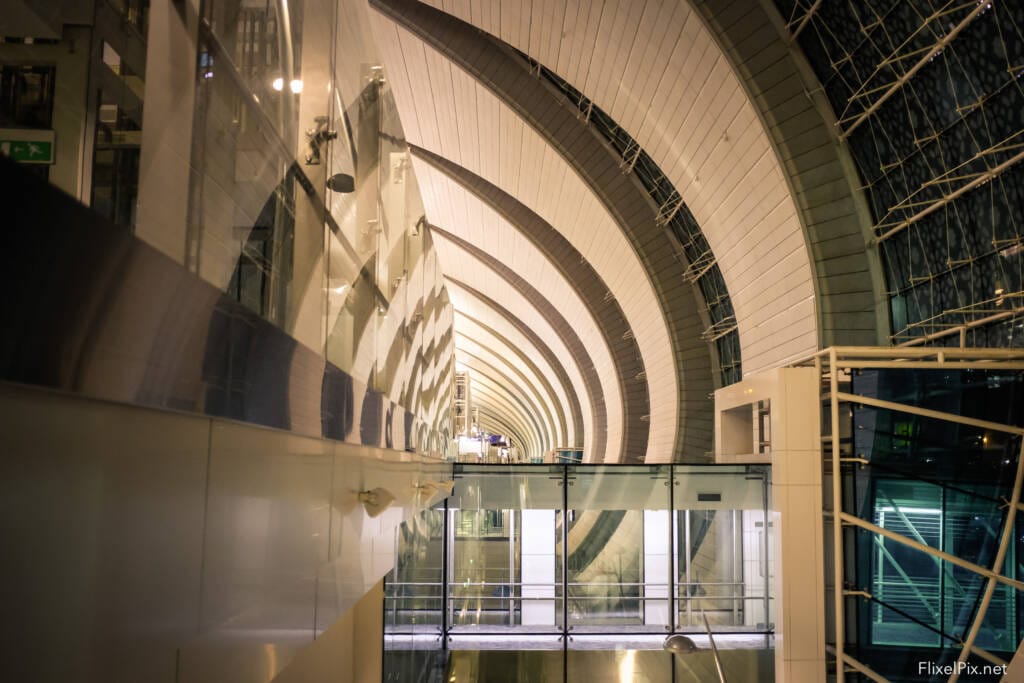
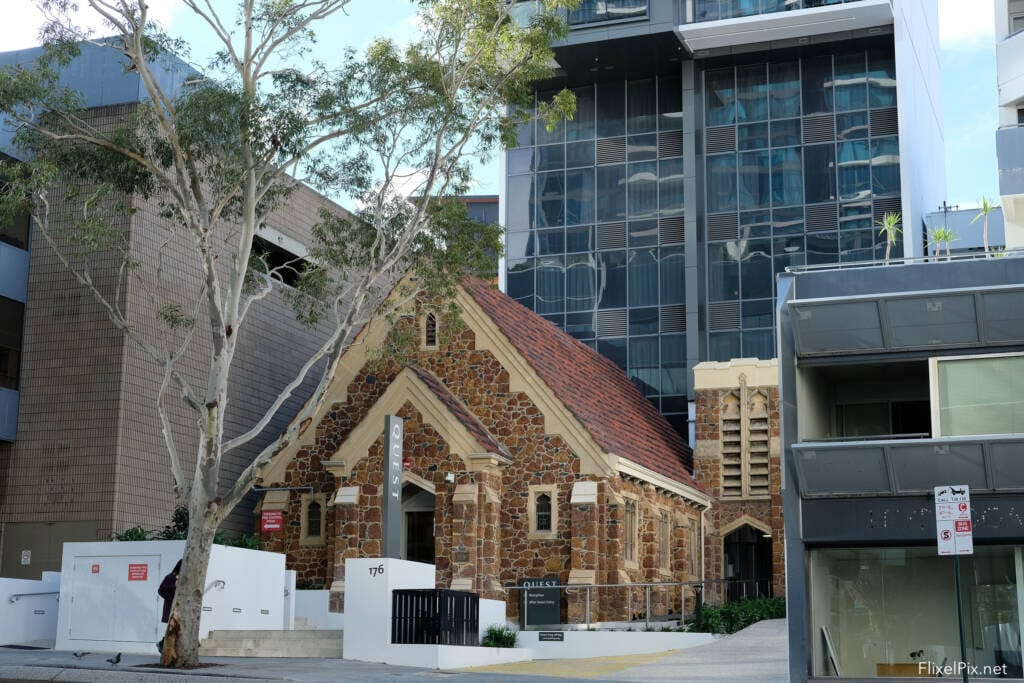
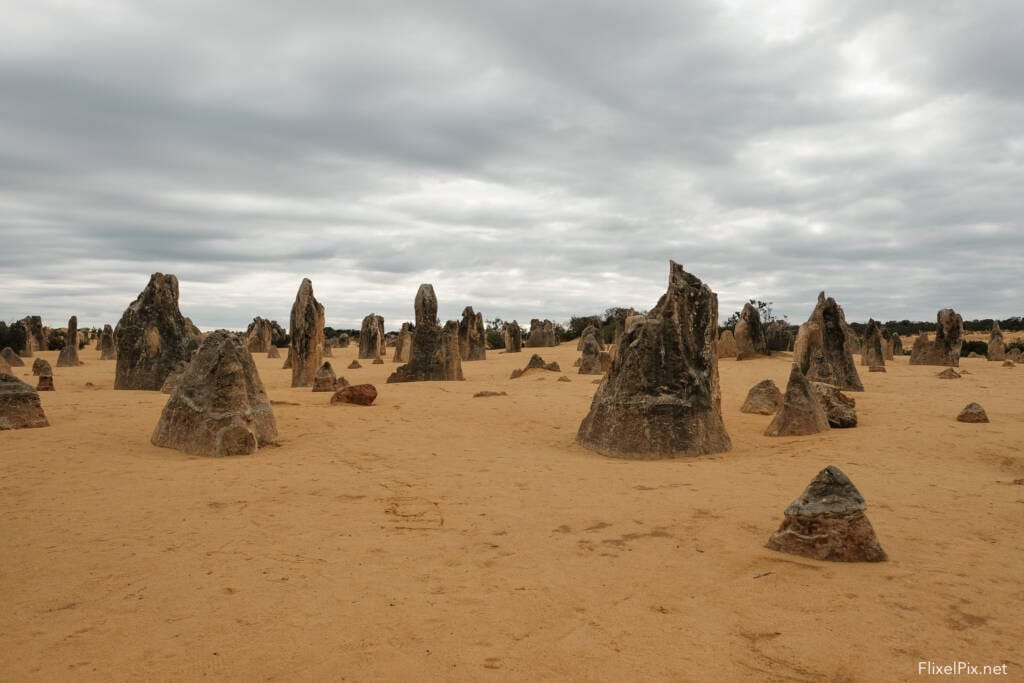
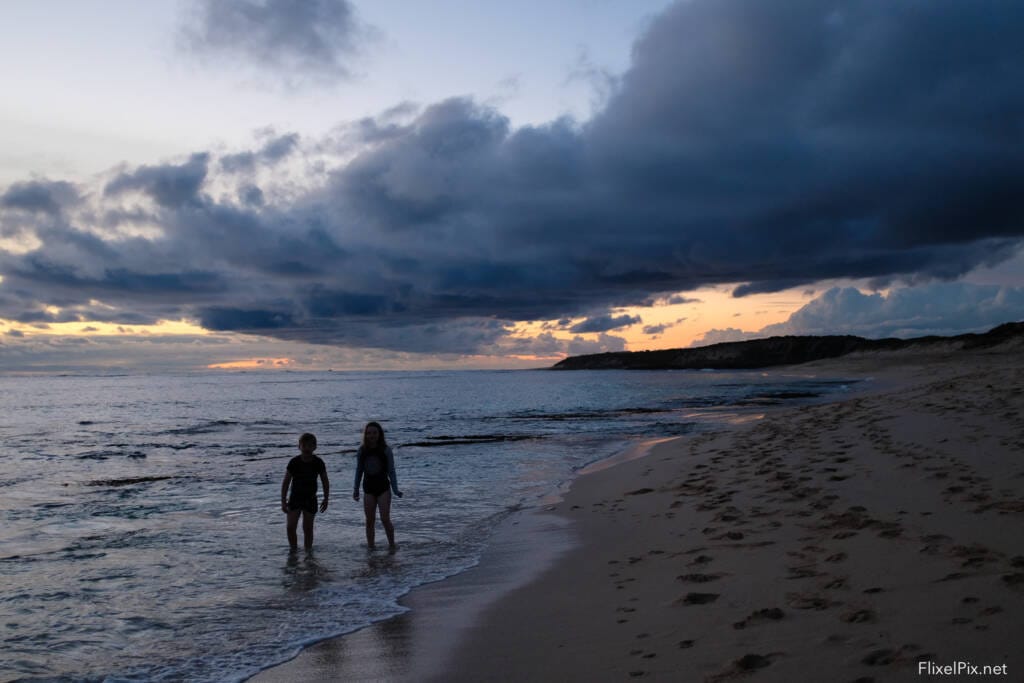
That walk through Perth also triggered the familiar internal struggle every photographer knows well. I had left the 16mm back at our accommodation and missed the opportunity to fully capture the contrast and scale of the city’s architecture. The 35mm worked to a degree, but it couldn’t quite convey the sheer height of the skyscrapers behind the subject.
The following day I slipped the 16mm into my coat pocket to be ready for anything. A visit to the stunning King’s Park presented a sweeping view across Perth, and once again the dilemma returned. Reaching first for the 16mm, I captured the vast cityscape in all its scale. Yet, on review, the image felt slightly disconnected from the reality of standing there. The 35mm’s field of view closer to human vision—produced a more engaging and immersive image from the same vantage point.
Perth is a remarkable city, and despite it being winter, we still made our way to the beautiful beaches of Swanbourne and Cottesloe. Here, the 16mm truly came into its own. Lens choice is as much about how you want to communicate a subject as what you are photographing, and the 16mm captured the space, drama, and openness of Swanbourne Beach perfectly.
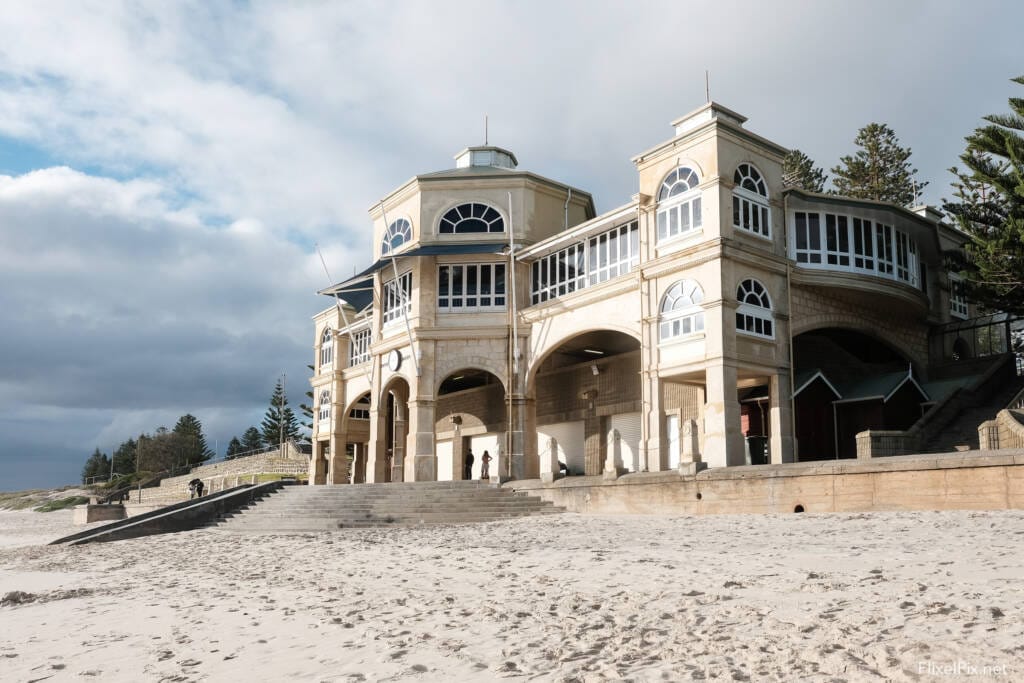
The lens also excelled when photographing the iconic Indiana Tea House on Cottesloe Beach. I was able to remain close to the building while still capturing its scale and architectural detail, along with the surrounding sea and shoreline.
Margaret River, Australia
After a week in Perth, we drove south for three hours to the breathtaking Margaret River region. Known for its wine and beer, the area also boasts chocolate and silk industries, livestock farming, and an abundance of local produce.
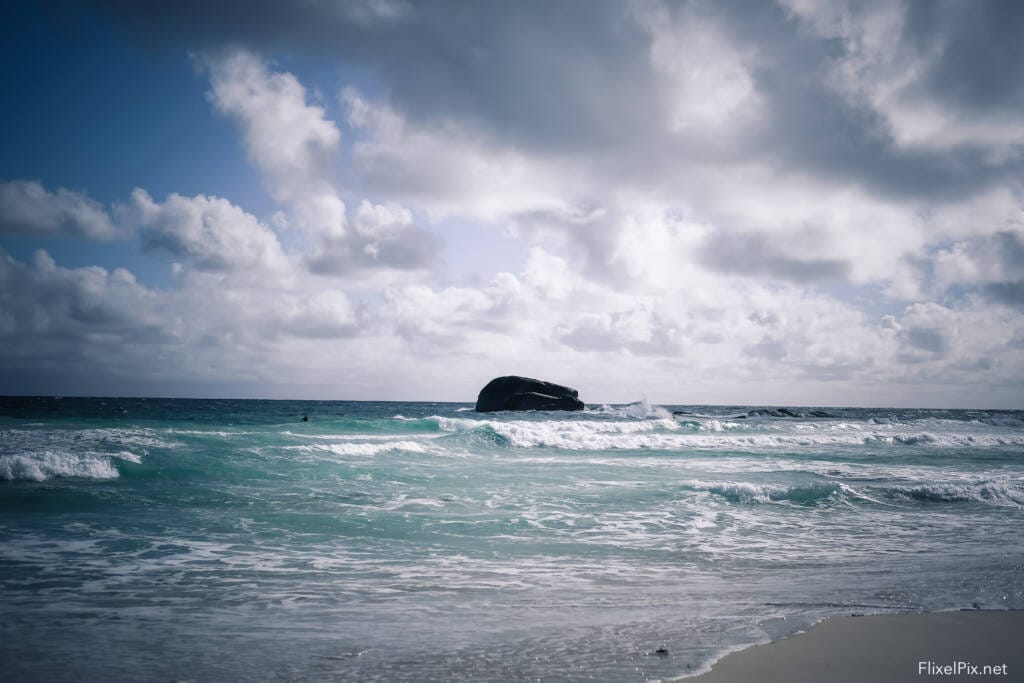
The coastline is simply spectacular. The colour, surfing, and hiking opportunities make it a photographer’s paradise—once you become accustomed to six-foot kangaroos leaping out of the bush without warning. I found them genuinely petrifying, given their size and speed, though I suspect they were equally wary of me. Two must-visit stops deserve mention: the coffee at the White Elephant Café on Gnarabup Beach and the Candy Cow in Cowaramup for an impressive selection of homemade confectionery. Visit once, and you’ll almost certainly return.
Gnarabup Beach, Australia
The X100F became my companion on more relaxed beach outings. We were fortunate enough to see the Margaret River flowing strongly enough to reach the sea. Shooting JPEG-only allowed me to use the digital teleconverter, providing two additional zoom options while maintaining consistent image size through intelligent upscaling. This proved especially useful on family days out. The trade-off, of course, is committing to a film simulation at the point of capture—but with a little experience, choosing the right one becomes second nature.
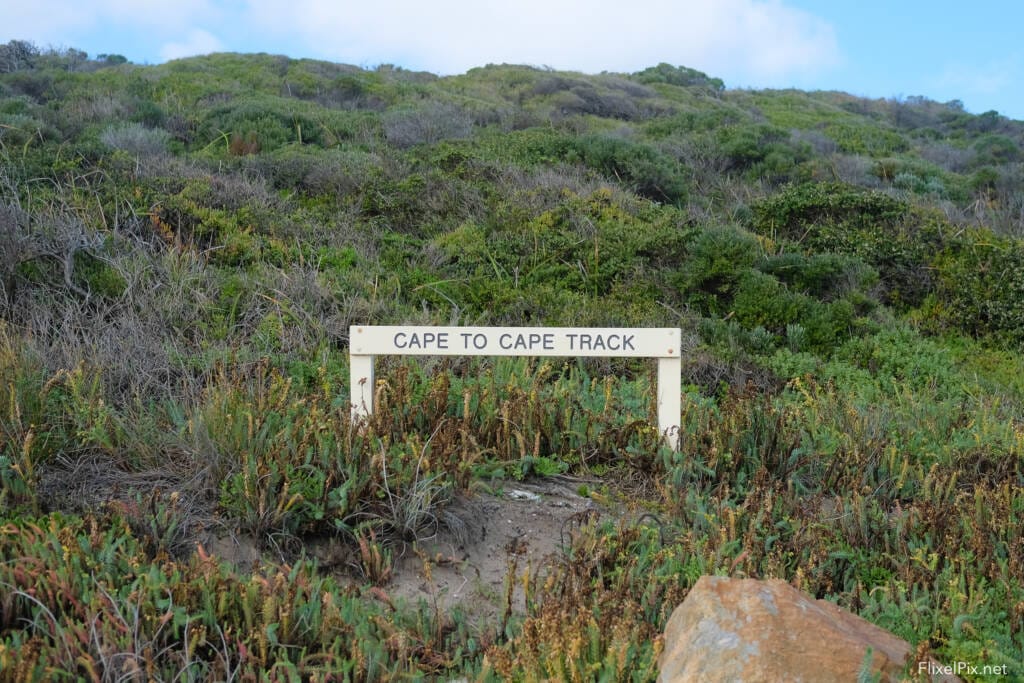
Hiking the Cape to Cape
We couldn’t miss the chance to experience part of the famous Cape to Cape Track. Our 20km section took us through dense bush, past kangaroos, along dramatic cliffs, and onto beaches accessible only by foot. It was extraordinary to have such a vast stretch of coastline almost entirely to ourselves.
Only one point along the route is accessible by road—Redgate Beach—and it was here we stopped for lunch while watching a group of local surfers. For the hike, I carried the X-T2 with both the 16mm and 35mm lenses, keeping the 35mm mounted most of the time and reaching for the 16mm only when necessary. From a safety perspective, my Garmin Fenix [Ad] tracked our route, with its “take me home” feature providing reassurance in such a remote area—and it was nice to add a few Australian routes to my Strava account.
The surfers’ skill was as captivating as the waves crashing against the rugged coastline. Hiking on sand is exhausting, but the views more than compensated for the effort.

The Southern Cross
Travelling to the other side of the world inevitably limits what you can pack, and I regretted not picking up a cheap tripod in Perth. The night sky over Margaret River, framed by the Southern Cross, was extraordinary.
Completely unprepared for astrophotography, I still attempted to capture the scene above our accommodation. Juggling phone torches to adjust camera settings and attempting to keep the camera steady for long exposures resulted in a few sub-standard images, but they remain valuable reminders of an unforgettable sight.
Conclusion
This post barely scratches the surface of our Australian adventure. I returned home with over 900 holiday photos—mercifully, you’ve only seen a handful here. I wanted to share a few highlights, and I’m sure fellow photographers will sympathise with the familiar debates over lens choices and what to pack or leave behind.
If there are three key takeaways from the trip, they would be these:
- Australia is an extraordinary country rich in geography, culture, wildlife, and climate. It is warm, welcoming, and I already want to return.
- Experiences are more valuable than possessions. Invest in experiences.
- Always take a camera. Photographs are enjoyable in the moment and shortly after, but their true value reveals itself over time.
Links
Tiffen Pro Mist Filter [Ad]
FlixelPix Instagram
Five Essential Accessories for the Fujifilm X100VI
Discover more from FlixelPix
Subscribe to get the latest posts sent to your email.
