


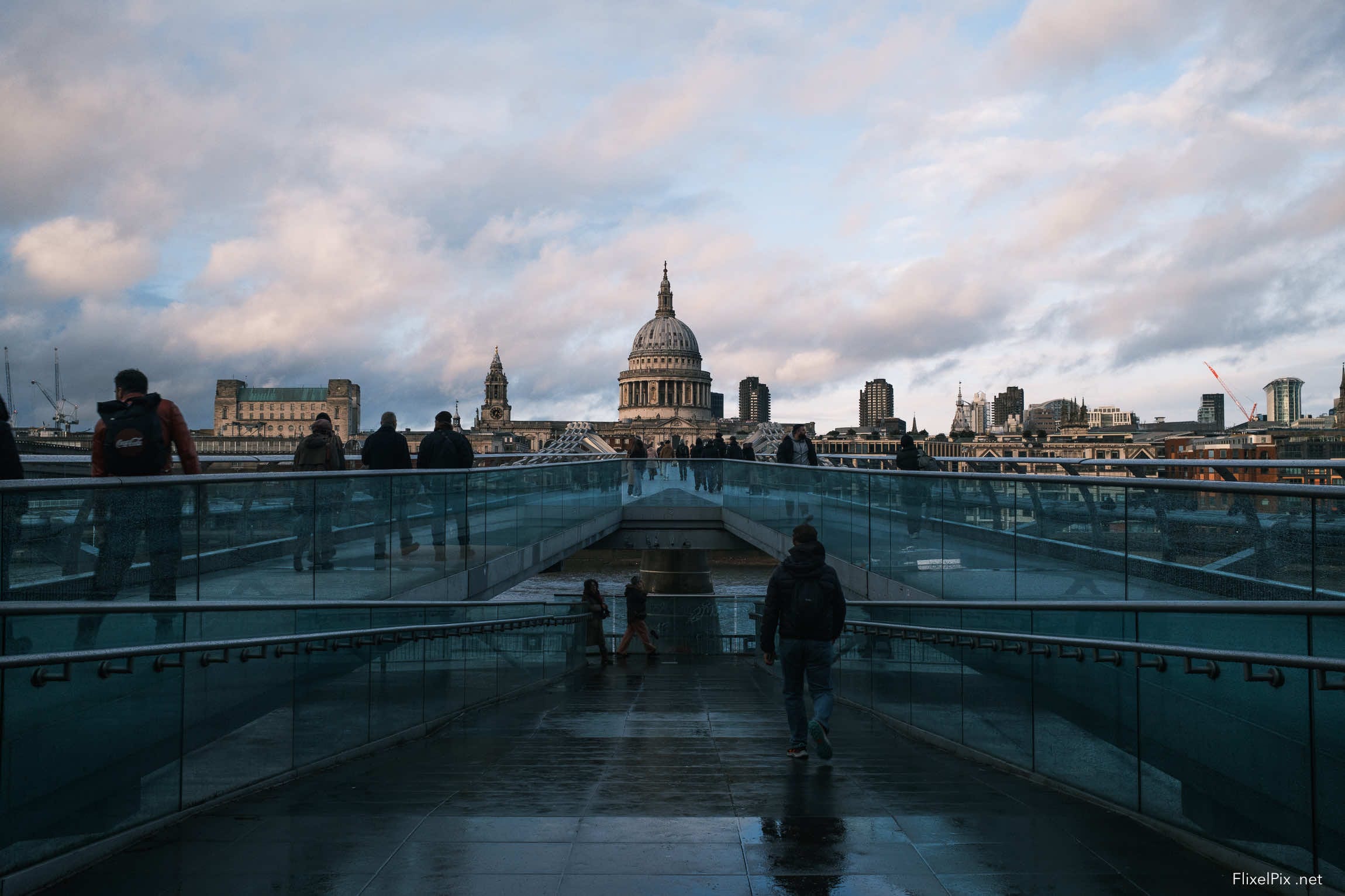
In the spring of 2011, I found myself frustrated with photography. Not with photography itself, but with how disconnected it had become from everyday life. It had turned into something reserved for projects and planned shoots, rather than something instinctive and personal. A quick look at the Journey from FinePix X100 to the Fujifilm X100VI.
Around that time, I came across a YouTube video from the now historic Focus on Imaging show. On the Fujifilm stand, a Fujifilm employee was demonstrating a new camera, the FinePix X100. It was immediately different. Within an hour I had placed a pre-order, along with the small brown leather case. A few weeks later, I was holding my first Fujifilm camera since my film days.
Contents
All Photos: Fujifilm X100VI
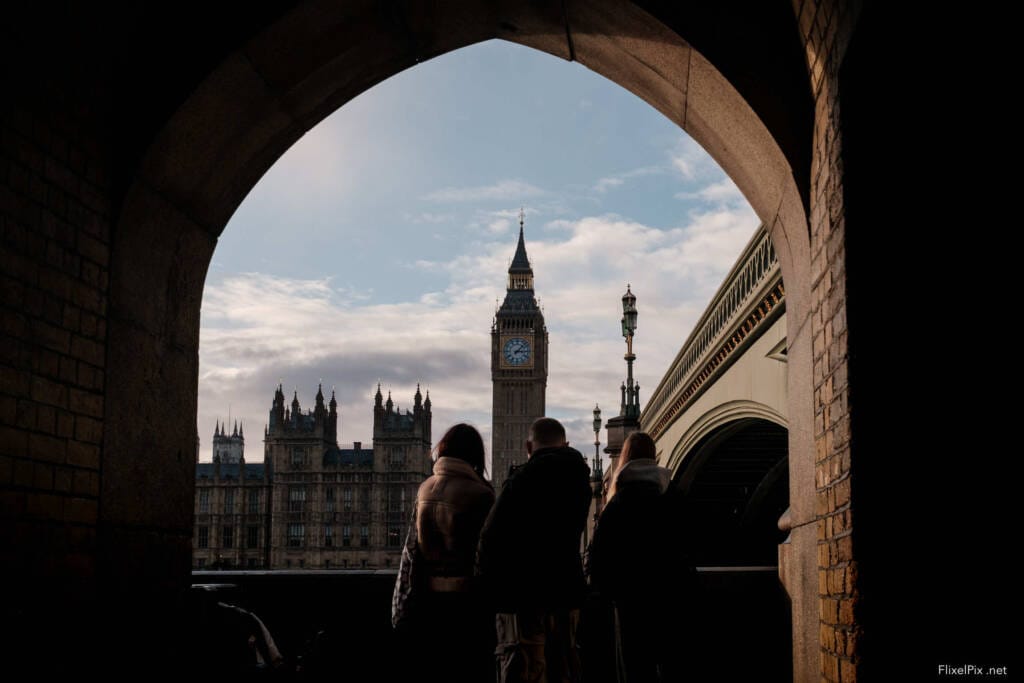
Slowing Down: The Art of the Fujifilm X100VI
Transitioning from a digital SLR to the original Fujifilm X100 came with a learning curve. The familiar safety net of firing multiple frames and hoping for the best simply didn’t work anymore. The Fujifilm X100 demanded intention.
Looking back, it exposed how far I’d drifted from the discipline I’d learned shooting film. That brief period of adjustment taught me to slow down, to think before pressing the shutter, and to engage fully with the scene in front of me.
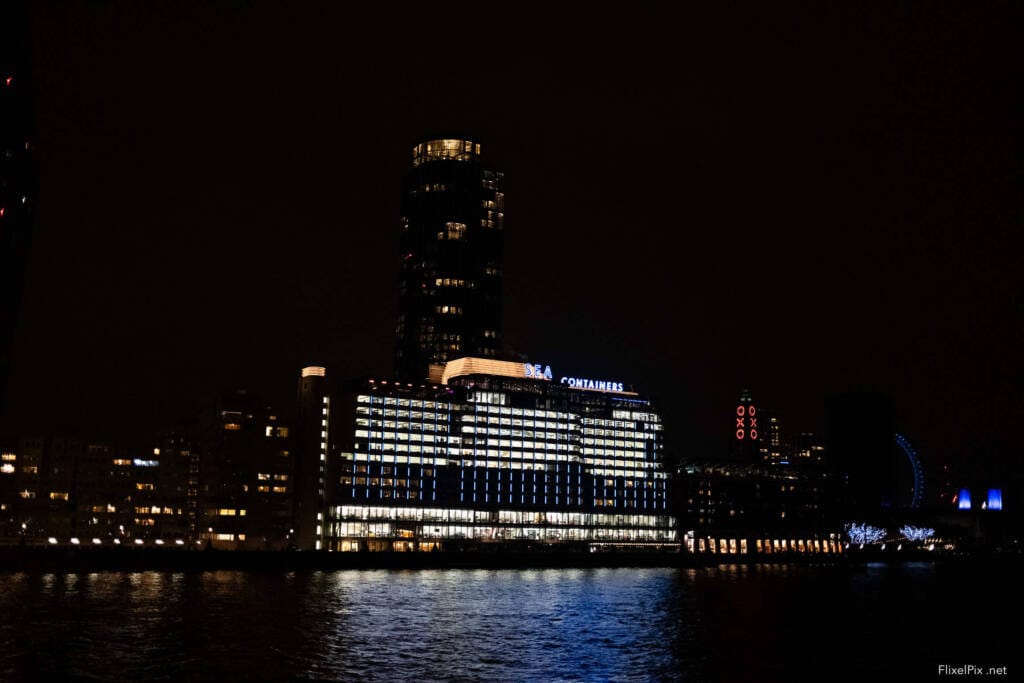
This mindset: “fewer frames, more thought” became one of the foundations of FlixelPix Photography. It influenced everything from personal documentary work to early FlixelPix projects, where storytelling and atmosphere mattered far more than volume. I was taking fewer photographs, but rejecting far fewer during editing, a workflow that still defines how FlixelPix projects are captured today.
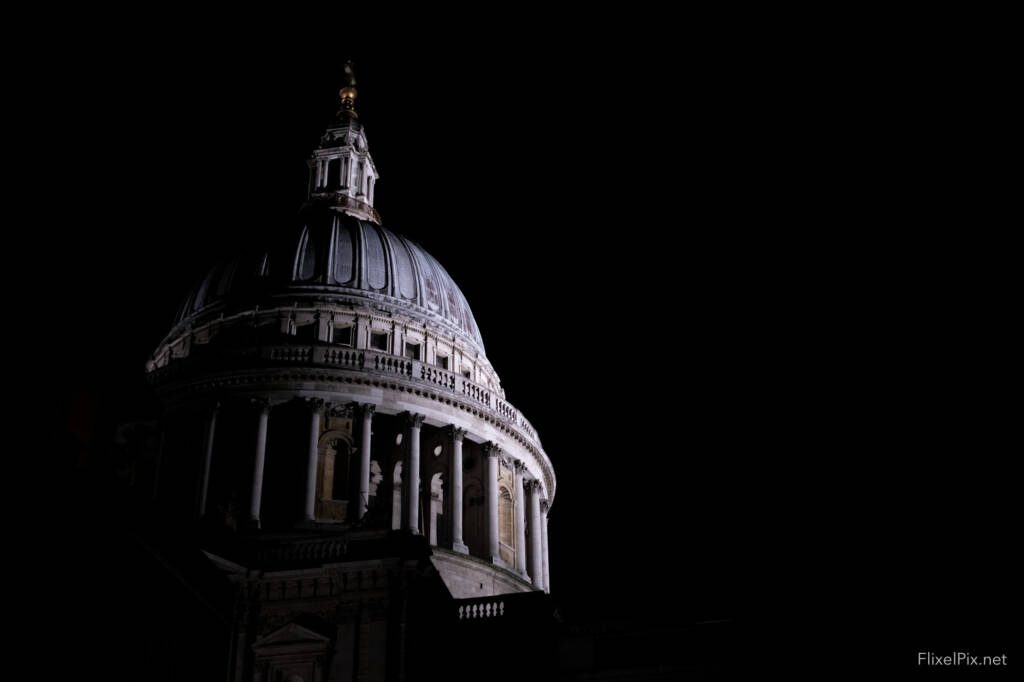
Documentary Photography: Fujifilm X100VI
Since 2011, a Fujifilm X100-series camera has gone everywhere with me, always the silver body, always in its brown leather case. From the original X100 through the S, T, F, V and VI models, the camera has been present throughout the growth of FlixelPix.
The Fujifilm X100 through to X100VI has been used across a wide range of FlixelPix projects:
- Behind-the-scenes film set photography, capturing quiet moments between takes and the texture of production life. See Location Stills Documentary Film Photography.
- Environmental portraits for creatives and small businesses, where its unobtrusive design helps subjects relax See Portrait Photography.
- Everyday documentary work, which forms the backbone of the FlixelPix visual archive. See FlixelPix Documentary Photography.
With each chapter of the camera came improvements that supported these projects, faster autofocus, better low-light performance, and increased responsiveness all without ever getting in the way of the form factor.

The Fujifilm X100VI: A Creative Tool
The Fujifilm X100’s timeless, rangefinder inspired design rarely goes unnoticed. It often sparks conversation and curiosity, which has proven invaluable on FlixelPix portrait and documentary shoots. People respond differently to it. It doesn’t feel intrusive or clinical, and that changes the dynamic immediately.
That approachability has helped shape the visual tone of documentary photography, natural expressions, unguarded moments, and images that feel observed rather than manufactured.
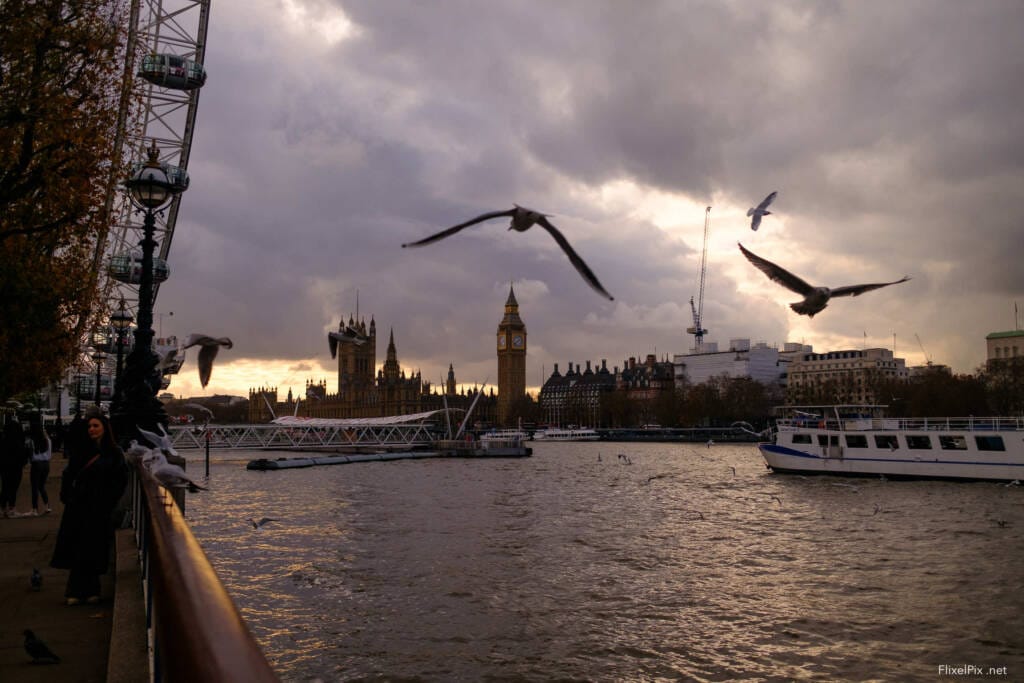
London Documentary Photography
Flixelpix has always leaned towards storytelling that values mood and authenticity, and the Fujifilm X100 series excels in this space. Its dynamic range and tonal response make it ideal for capturing atmosphere, particularly in low light.
The Fujifilm X100 has been used to create gritty black-and-white imagery under harsh artificial lighting and rain—conditions where subtle tonal separation matters. These images have become a recognisable part of the FlixelPix archive thanks to their cinematic, textured film feel.
Everyday Life as an Ongoing Project
At its heart, FlixelPix is an ongoing documentation of everyday life. Many of the most meaningful images weren’t planned projects at all, they were captured in-between, on the way somewhere else, or during quiet moments that would once have been missed.
The Fujifilm X100VI makes this possible. Its size, silence, and simplicity mean it’s always there, ready to capture moments that later inform larger FlixelPix narratives and long-term projects.
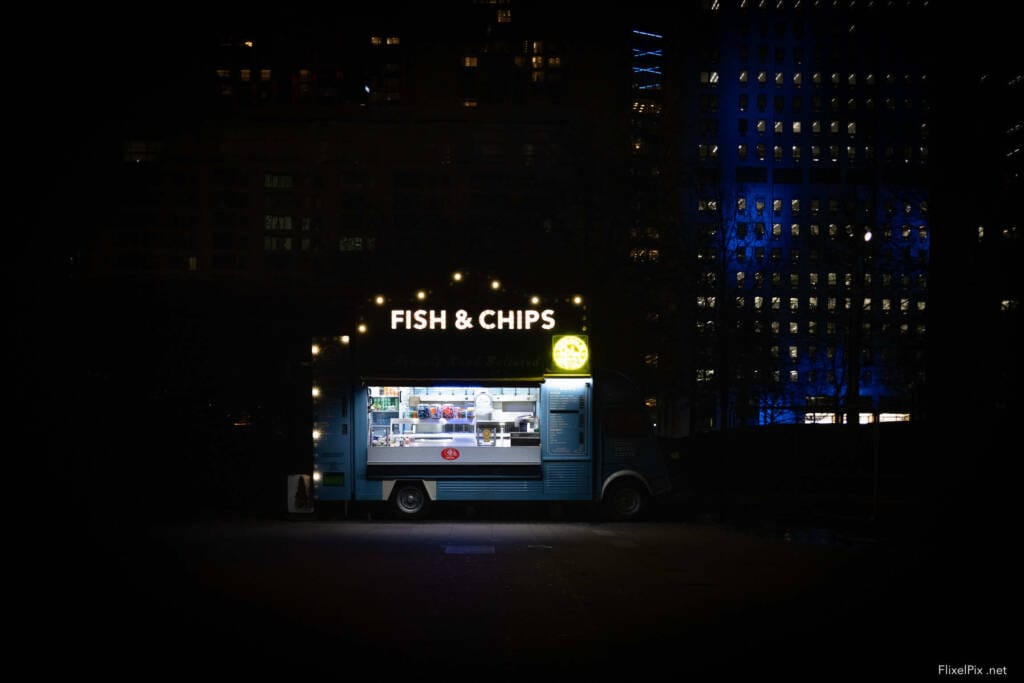
Ses. View 49mm ProMist Filters for more. (Ad)
Small X Features: Big Difference
Fujifilm’s thoughtful design shows in features that quietly support creativity. The sweep panorama mode, available across the Fujifilm X100 series, has been used on several FlixelPix landscape and location studies. One such panorama of Hare’s Gap in the Mourne Mountains now hangs on my wall at home, a personal reminder of why these projects matter. Here is the process used to capture London.

Later models, such as the Fujifilm X100T and X100F, introduced USB charging, a small but crucial feature that proved invaluable on extended Flixelpix travel projects, where carrying minimal gear is part of the philosophy.
The Elegance of Fujifilm X
The Fujifilm X100VI delivers uncompromised image quality in a compact, unobtrusive form. The camera balances performance without excess.
If I were limited to owning just one camera, it would be an Fujifilm X100VI without hesitation. The series has been there since the beginning, shaping the FlixelPix approach to every project. The Fujifilm X100VI isn’t just a tool, it’s part of the archive and story.
Links
5 Essential Accessories for the Fujifilm X100VI
100 Photos Captured with the Fujifilm X100 Series Camera
Understanding Depth of Field
Long Exposure with the Fujifilm X100VI
The Long Exposure eBook
Photography Learning
Instagram
Discover more from FlixelPix
Subscribe to get the latest posts sent to your email.

2 Comments
Mark Dell
The camera is obviously a beast but the price really puts it far away from me owning one?
Lovely results though
FlixelPix
Cameras have definitely crept up in terms of price. I suppose it is a matter of how much you will get out of it and the residual value in a few years. I have been tempted to created a spreadsheet over the years:)
Comments are closed.