


2017 was an interesting chapter for all things photographic. There were new camera launches, music events, and plenty of mountains, hills, and treks. Towards the end of the year, I deliberately took a step back from photography to evaluate and, hopefully, improve. Looking back, there are five key things I finally managed to learn in 2017, and better still, managed to get over.
1. Lessons in Photography: Always Carry a Camera
I used to hate this statement. In the past, I actively participated in debates over crop versus full frame, iPhone f-stops, weather sealing… the list goes on. This photographic snob finally realised that if your main camera is at home, it isn’t taking photos.
More importantly, I discovered that the humble old iPhone can actually deliver great results in the right environment. I captured two photos in the same forest location while out running; the weather was ideal on both occasions and, as a result, both earned a place on Flickr Explore (top photo and below).

Hillsborough Forest Fog Lessons in Photography
Don’t get me wrong, I’m not celebrating some hollow social media success (see point number 5 below). The point is simple: a photograph with 14,000 views and hundreds of likes in 24 hours isn’t necessarily any better than a photo with a few views and no likes. Since when did we start measuring value in likes?
The fact remains that this image isn’t going to look good printed at A0—but equally, I didn’t have my camera with me. QED.
2. Lessons in Photography : You can find your photos anywhere
One hazard of posting your photos online is the likelihood that they will be reused without your knowledge or permission. If you use an image monitoring service to track your copyright (as I do), then this is a lesson you will already have learned—and it hurts.
This year, it amazed me how far and wide some of my images have travelled and how they have been used: magazine ads, book covers, posters, and a plethora of websites. It’s almost as if the calculated risk of being caught is worth it. Don’t get me started on those who go as far as Photoshopping out your watermark—or worse, adding their own.
Resolving these issues can be tricky, especially as the image may have been legitimately purchased through my library on Getty. Pointing the finger is stressful, awkward, and not without risk; it can often feel like David versus Goliath.
If you want to make yourself miserable, head over to Google Images and upload one of your favourite photos. I no longer look—it’s another stress I don’t need but having an agency handle these issues does make life a little easier.
The Summit of Slieve Bearnagh: Lessons in Photography
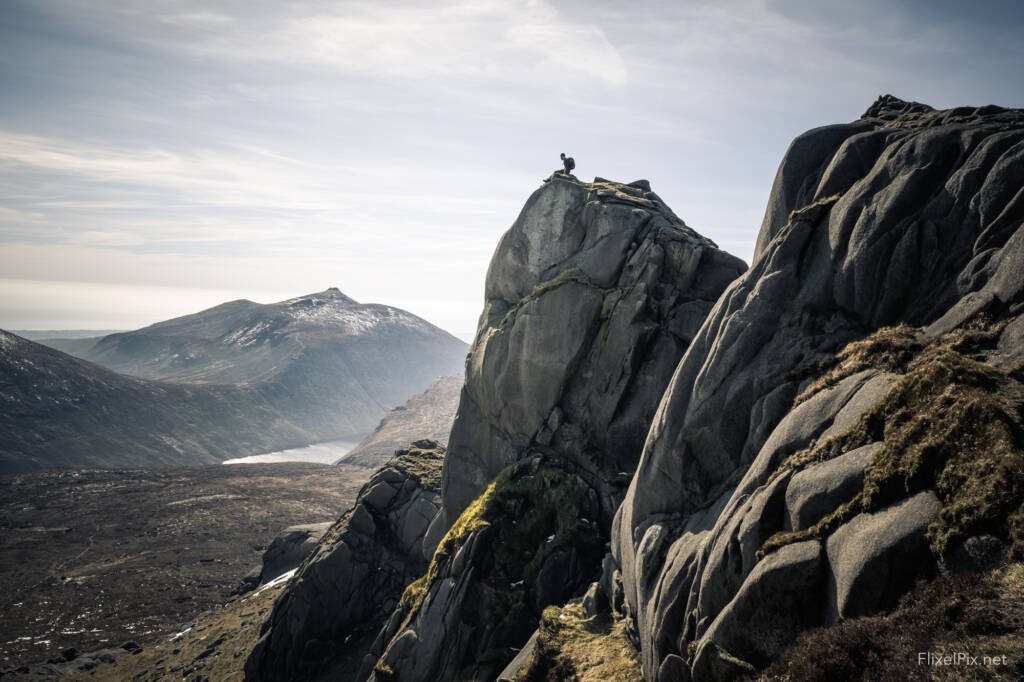
3. Lessons in Photography: Avoid Negativity
If you’re not in the creative zone, you won’t ever be happy with the results. In other words, if you approach photography expecting to capture nothing worthwhile, you probably won’t.
In some ways, expecting to fail is the easiest way to sample success. If you find yourself in this creative headspace, take a break. Leave your camera at home and return when you’re ready. If you’re measuring success by likes or Flickr Explore, take a break and return when you’re ready.
Why did you start capturing images in the first place? Until that becomes your reason again—take a break.
4. Experiences are better than things
Each year, we produce a photo book, creatively titled The Annual Photo Book. When the 2017 book arrived from Blurb, we revisited the book from ten years earlier.
Looking back, it isn’t the queuing for the new iPhone, the jump to 24 megapixels, or other technological milestones that stand out. Instead, the books contain the important chapters: the experiences, the trips, the simple days out, and the holidays.
The lesson is simple. The money you’re saving for the next piece of hardware—the car, the camera you think you need—could often be better invested in experiences. Don’t put experiences off for the future. You only have now.
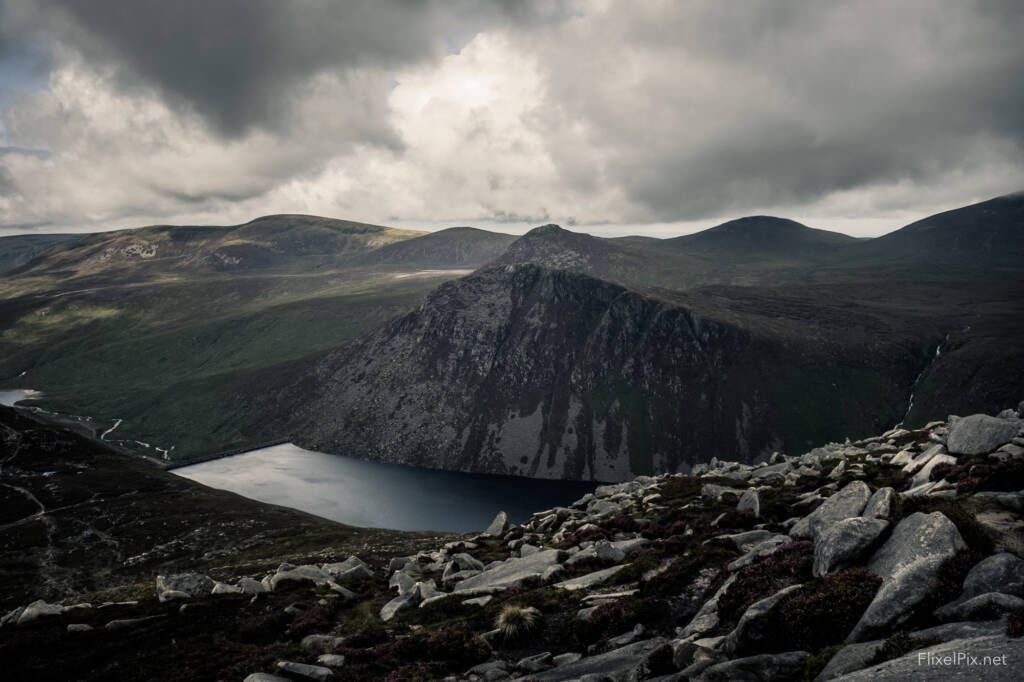
Ben Crom from Slievelamagan : Lessons in Photography
5. Social media stories aren’t necessarily real
I’m not saying all social media is bad or fake. However, how many times have you looked at feeds full of adventure, perfect lives, zero stress, constant happiness, and perpetual holidays?
How many times have you compared that to your own life and felt worse as a result?
The reality is that we only post the best moments of our lives—and if something seems too good to be true, it probably is. I recently read an article suggesting that some couples now bring professional photographers on holiday. How much can you truly experience—never mind enjoy—when the focus is on how the trip will be presented on social media and which hashtag will be used? #justsaying
If social media is making you unhappy, take a break and return when either:
- you have enough photos for people to think you’re a worldwide adventure photographer with a perfect life
- you can afford to take a professional photographer on holiday
- or you can treat social media for what it largely is: relatively meaningless
Use it to keep in touch with friends. Use it for inspiration or news. Just don’t use it as a measure of anything important.
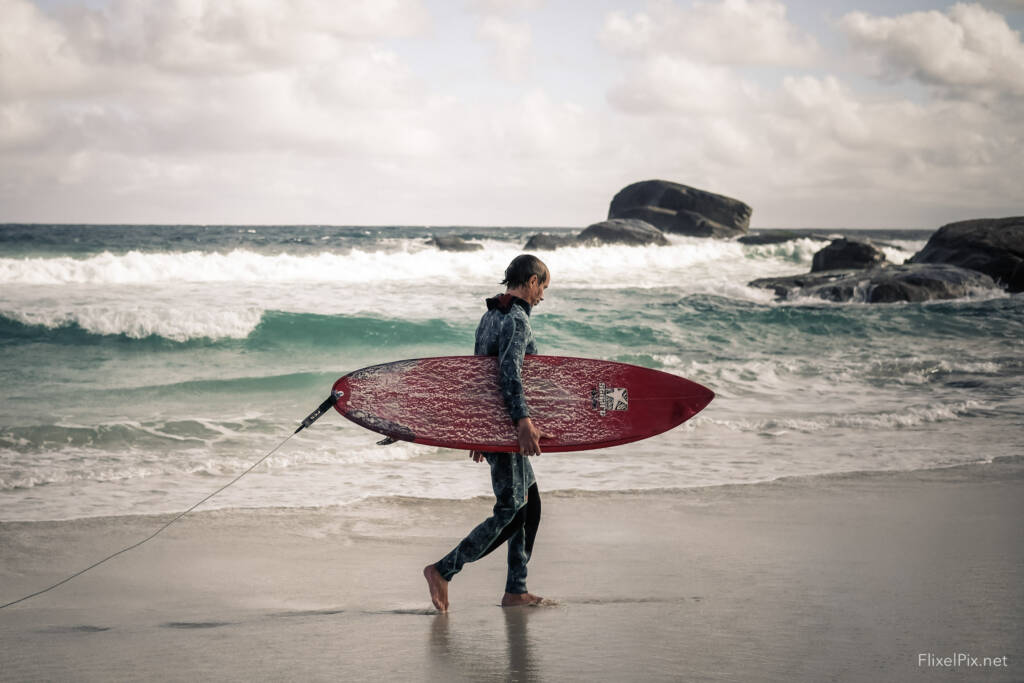
Redgate Surfer
2017: Lessons in Photography
2017 was a special year, yet I took considerably fewer photographs than in 2016—fewer, in fact, than in the previous five years combined. It wasn’t that the year wasn’t busy; it began with the launch of my favourite camera of all time, the X100F, and it was a real privilege to be involved in that launch and to work with the Fujifilm team.
There were also several music projects, plenty of landscape walks and climbs, a trip to Australia, and the epic Cape to Cape trek. On the surface, it was a great year but there was a noticeable lag in photographic excitement.
In conclusion, my plan for 2018 is simple. I’m not competing with anyone, on anything. Photography will return to being a source of relaxation, stress relief, and enjoyment.
Evaluate to improve.
2017 Software Shoutout
If you’re an outdoor photographer who tracks runs, rides, or hikes on Strava, why not combine your activities with your photography? Check out Velographic.

Velographic is free and imports your activities from Strava, allowing you to overlay routes and metrics onto your photographs. I’ve already created around 25 images, which could become a really nice Instax collage project in the future.
