


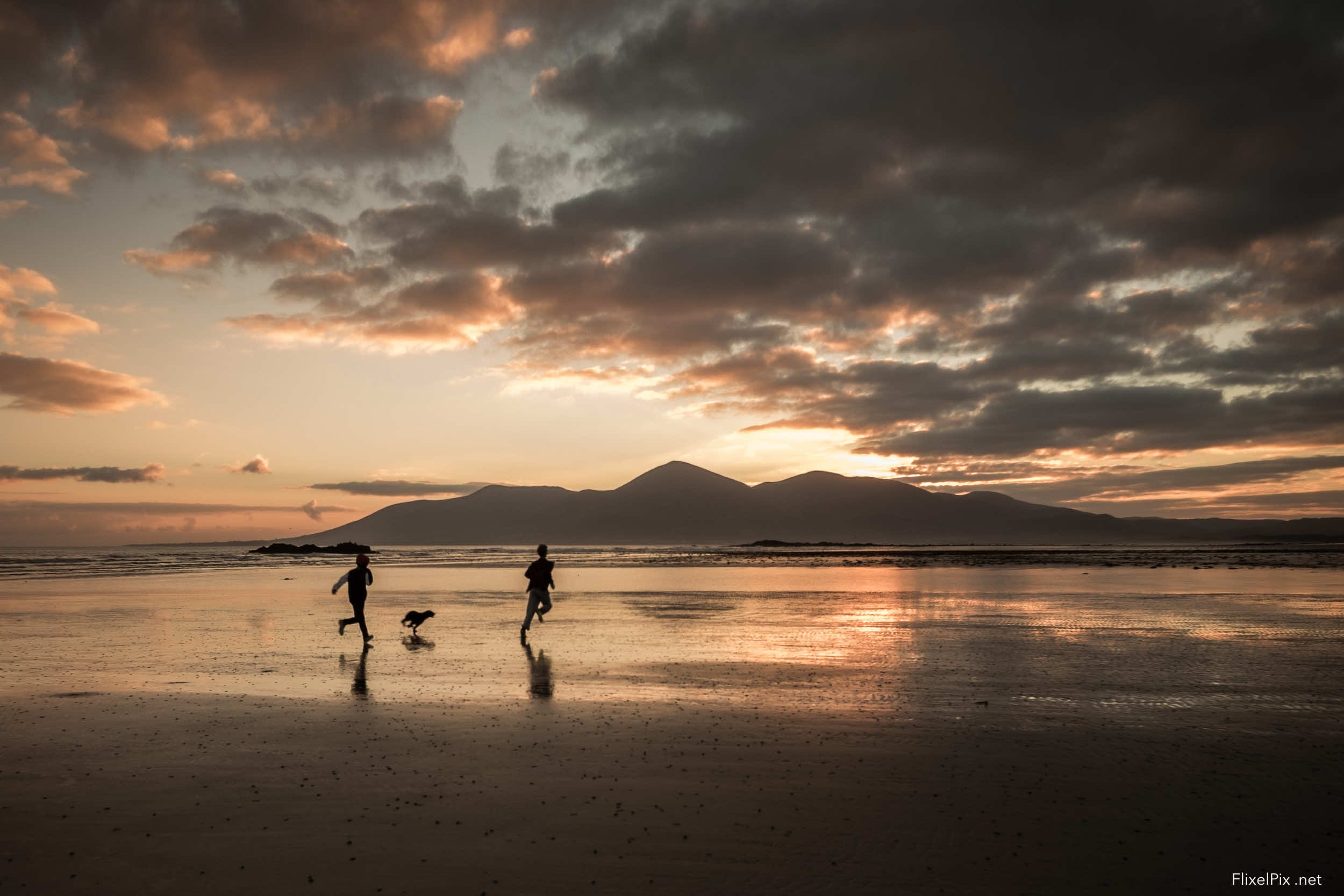
Although I love my Fujifilm 18mm pancake lens, I couldn’t wait to get out with the new Fujifilm 14mm (21mm full-frame equivalent). There has been quite a buzz around this ultra-wide lens, and I was keen to see how it compared to my other wide-angle glass.
This is not intended to be a definitive review, but rather a record of my first hour with the lens. Shooting wide open at f/2.8, I wanted to experiment with depth of field, capture a bit of action, and also explore its potential for long-exposure photography.
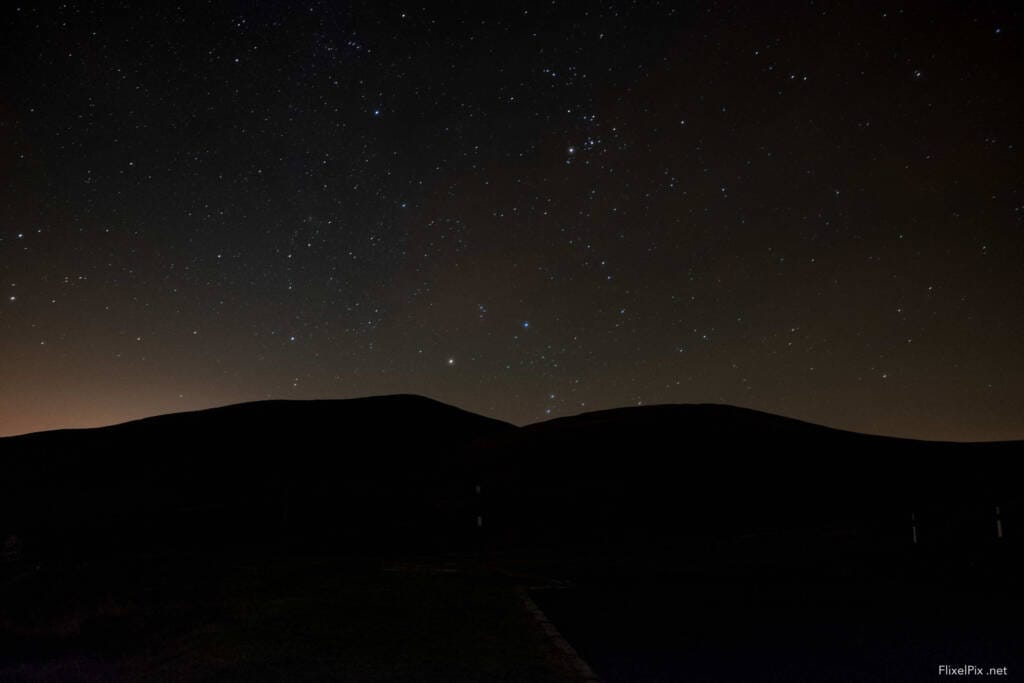
The output is impressively sharp. I was able to shoot freely and crop in Lightroom when I wanted to draw attention to a specific part of the image, without sacrificing detail.
A number of people have asked whether the 14mm is really worth the investment over the 18mm. Personally, I think it is. The 21mm full-frame equivalent offers noticeably more scene coverage than the 28mm equivalent of the 18mm. I’ve marked the approximate scale differences between the 14mm, 18mm, and 35mm lenses for reference.
Fujifilm 14mm – Going Wide
Even after just an hour of use, it’s clear that the 14mm delivers remarkable optical performance. The main trade-off is physical size: it’s obviously larger and heavier than the Fujifilm 18mm pancake. While increased size and weight are often seen as negatives, I actually like the balance the 14mm has on the X-Pro1.
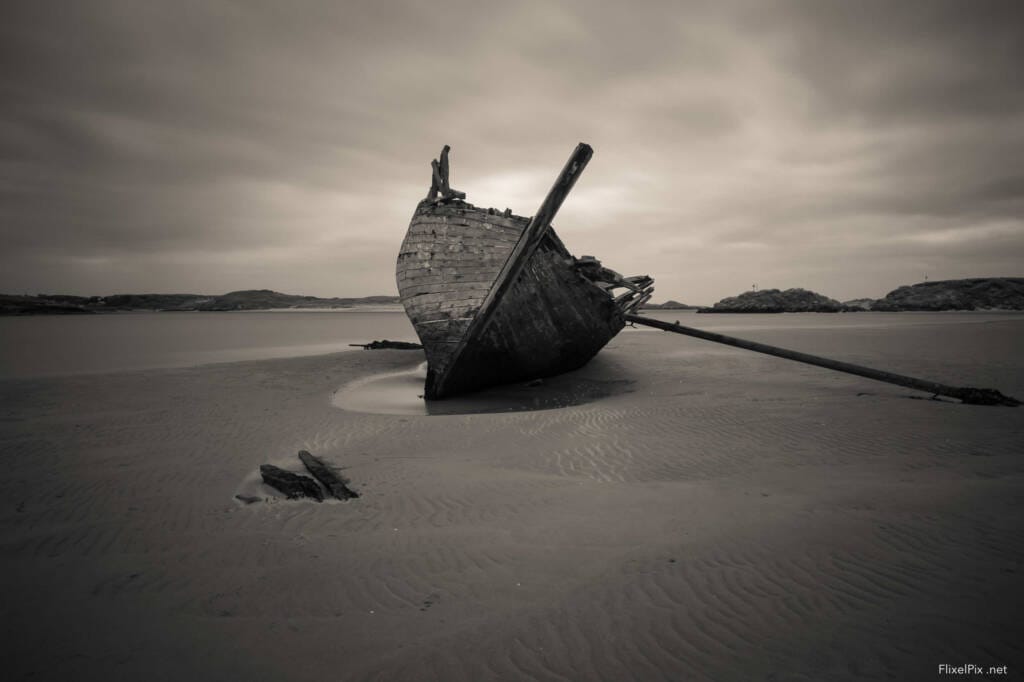
An ultra-wide Fujifilm 14mm lens at f/2.8 offers a fantastic level of flexibility. I was particularly excited to explore long-exposure photography at this wider field of view. A nice bonus is that the filter size matches the Fujinon 18–55mm zoom, meaning the same ND filters can be used—great news for long-exposure work.
I headed out to a local jetty and took four quick images from different angles, using the same technique described in The Long Exposure eBook (see above). The first long exposure was shot at f/11, ISO 200, for 20 seconds.
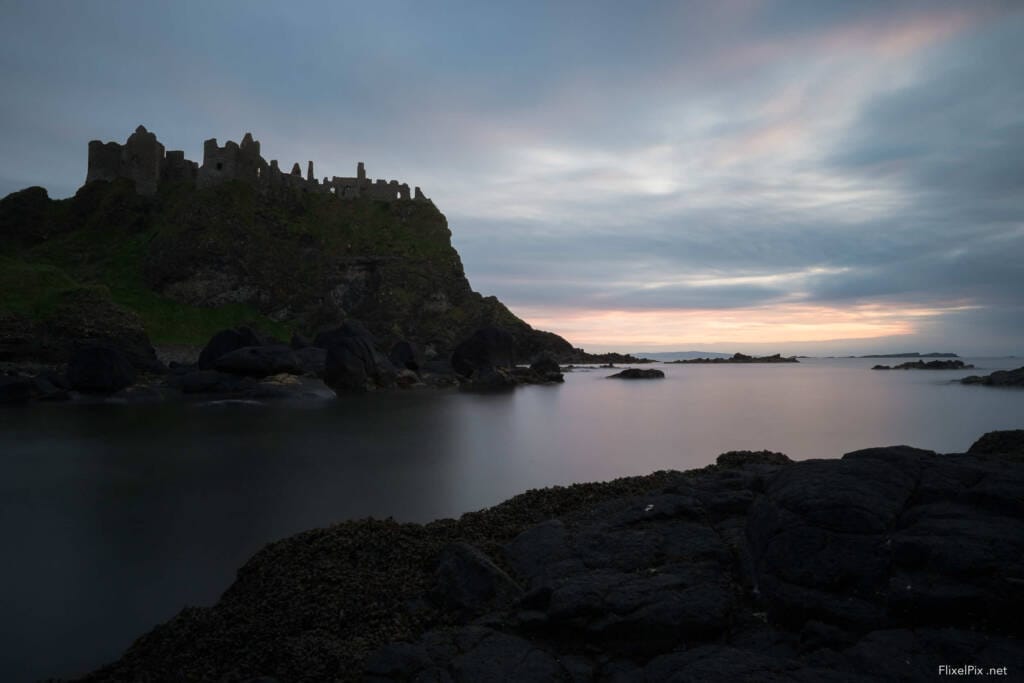
I’ve previously shot long exposures with the Fujinon 35mm, and while you don’t need an ultra-wide for landscapes, it certainly helps if you want to capture a real sense of space and stillness. The next image was taken from a slightly different angle, using a 90-second exposure at f/22, ISO 200, which really brings out the shadows and texture in the water. For the final image of the visit, I wanted to maximise the 14mm / 21mm perspective. This shot is a 30-second exposure at f/10, ISO 200.
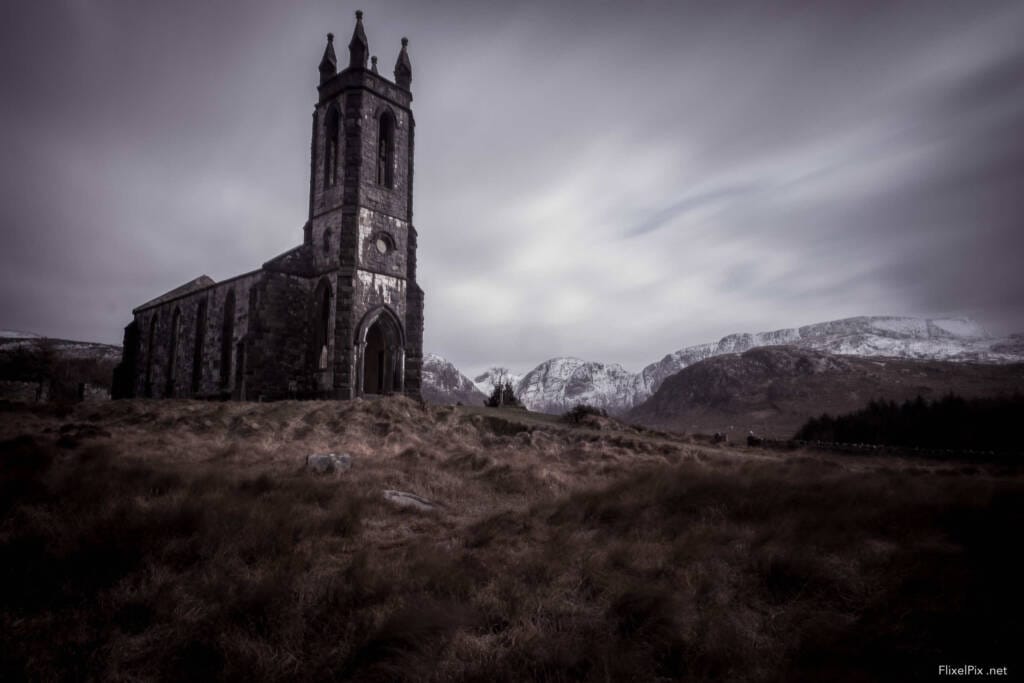
I’ve barely scratched the surface of what this lens is capable of. The combination of speed, ultra-wide field of view, and stunning image quality offers enormous versatility, and I’m looking forward to getting to know it better. The Fujinon 14mm looks like the perfect companion for landscape photography as well as general street and documentary work.
Fujifilm 14mm
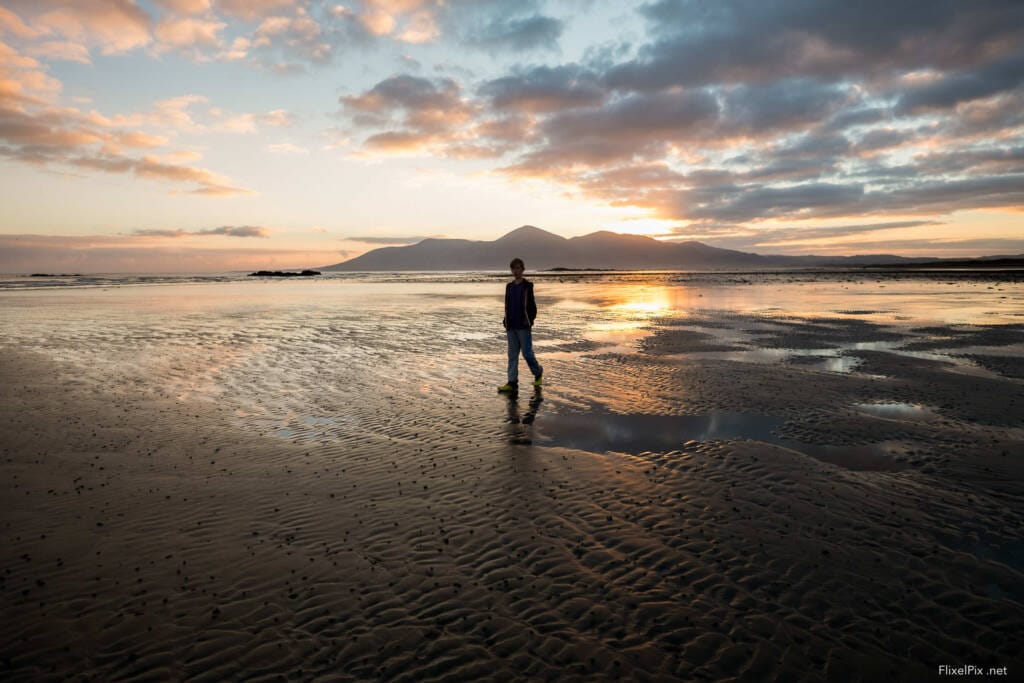
Northern Ireland Landscape
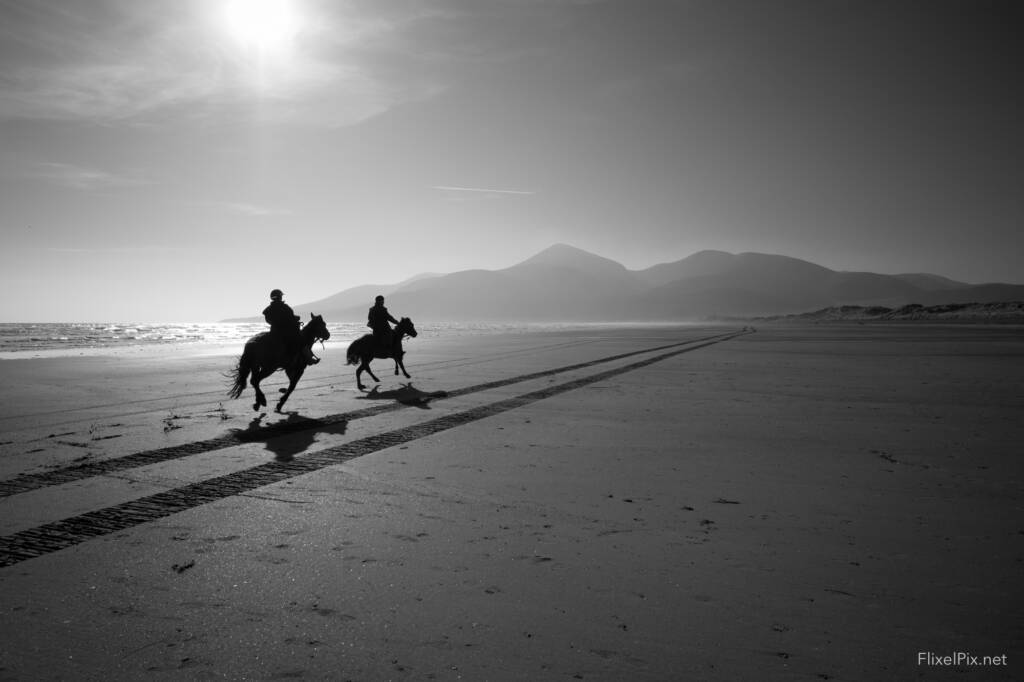
I managed to get out again with the Fujifilm 14mm today, this time visiting Dundrum and Murlough Bay. The 14mm focuses quickly and remains sharp across its aperture range. The lens delivers a real sense of space, which works beautifully for wide, open beach scenes, though it’s a shame the horses followed a set of vehicle tracks. I suspect the 14mm will be mounted on my X-Pro1 for quite some time to come.
Links:
Celebrating the Fujifilm X-Pro2
A complete guide to Night Photography
The Long Exposure eBook
Follow the FlixelPix Social Accounts
Instagram | BlueSky | Twitter (X) | Threads | Facebook
Discover more from FlixelPix
Subscribe to get the latest posts sent to your email.
